 Quote Cart
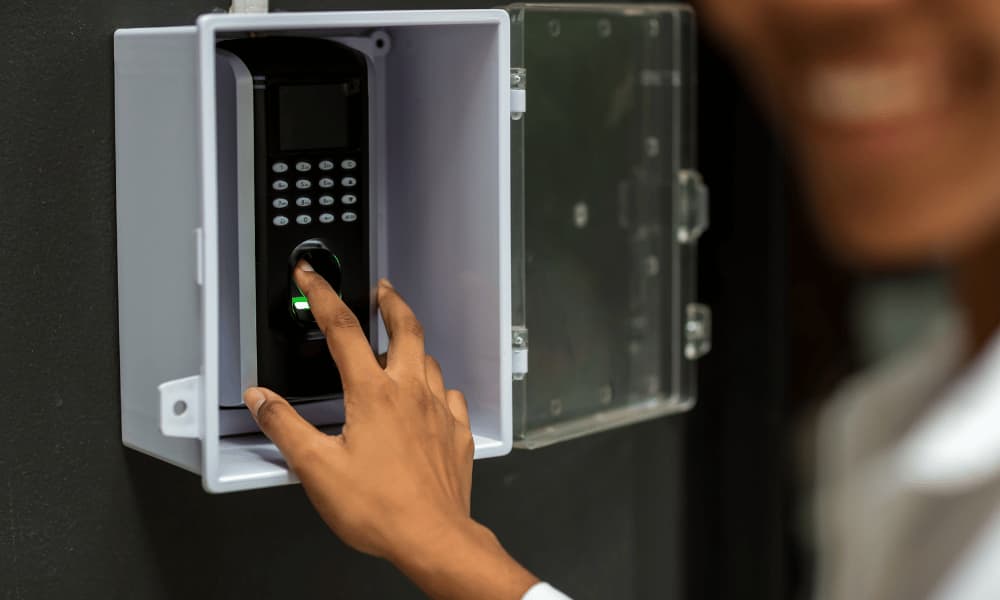
Strengthen your physical security and access control strategy by connecting systems, improving visibility, and coordinating security operations across your facilities.
Key takeaways:
- Connect access control and surveillance for better visibility and response.
- Reduce manual investigations by linking security alerts with camera footage.
- Standardize access policies and security procedures across multiple facilities.
- Prioritize system compatibility, cybersecurity, and collaboration during integration planning.
- Track incident response times and operational improvements to measure success.
If you're managing security across a large commercial facility, you probably have several systems keeping things running. Your access control system manages entry, cameras monitor activity, and alarms notify your team when something needs attention.
But how easily do those systems communicate with each other?
Say someone forces open a restricted door. Your access control system triggers an alert, but your security team still has to open another platform, locate the right camera, and review the footage to understand what happened. When you're responsible for multiple buildings, that process can become even more complicated.
That's where integrating your physical security and access control systems can help. By connecting access control with video surveillance, networking, and other security technologies, your team can verify incidents faster and manage security operations without constantly switching between platforms.
In fact, an ASIS International survey found that 54% of surveyed organizations had integrated access control with video surveillance, showing how organizations are bringing these systems together.
Keep reading to see how you can build a connected physical security strategy that improves visibility, simplifies security management, and supports faster incident response.
How Access Control Fits into a Connected Security Strategy
Your access control system determines who can enter your facility, which areas they can access, and when entry is permitted. However, access records alone don't always explain what happened during an incident.
That's why connecting access control with other security technologies can be useful:
- Access control: Manages credentials, entry permissions, and access schedules.
- Video surveillance: Provides footage to verify access events and investigate incidents.
- Networking: Enables secure communication and information sharing between systems.
- Sensors and alarms: Detect forced doors, unauthorized entry attempts, and other concerns.
- Identity management: Keeps access permissions current as employee and contractor roles change.
For example, when someone uses a credential at a restricted entrance, an integrated system can associate that event with nearby camera footage.
The goal isn't simply to connect everything to one dashboard. It's to make relevant information available when your security team needs it.
The Operational Benefits of Integrated Physical Security
When your systems work together, security personnel can spend less time searching for information and more time addressing potential threats.
Three important benefits to this integration:
- Better visibility: Connect access events with video footage, alarms, and other information for a clearer understanding of activity.
- Faster incident response: Retrieve relevant information without manually searching across separate platforms.
- Simpler security management: Reduce unnecessary system switching and support consistent monitoring procedures.
Consider a forced-door alarm at a restricted equipment room. Instead of searching through camera feeds, your security team can access footage associated with the alert and determine whether further action is necessary.
Genetec's 2026 State of Physical Security Report found that 78% of surveyed North American public safety professionals said collecting and sharing digital evidence helps save time during investigations.
Although the findings concern public safety, they reinforce the value of making security information easier to retrieve and review. You can also read Unisol's blog post on video surveillance management systems for additional considerations around centralized monitoring and footage access.
Building a Consistent Security Strategy Across One or Multiple Facilities
Managing security at one building can be complicated enough. When you're responsible for several locations, inconsistent access policies, separate platforms, and limited centralized visibility can make coordination even harder.
A connected approach can help your team monitor activity across facilities, standardize access permissions, and follow consistent incident-response procedures.
However, each location may still have different requirements. A corporate office, distribution center, and restricted equipment facility won't necessarily need identical access controls.
Your technology architecture matters, too:
- Cloud-based systems: Support remote administration and centralized management.
- On-premises systems: Keep system hosting and management within local infrastructure.
- Hybrid systems: Combine local and cloud capabilities based on operational needs.
Whichever approach you choose, essential local security functions should remain available during connectivity outages. That helps your facilities maintain critical access controls even when communication with central systems is interrupted.
Planning for Successful, Secure Integration
Before purchasing new security equipment, review what you already have and identify where integration would improve your operations.
Are your teams spending too much time retrieving footage? Do access permissions take too long to update? Are different facilities following inconsistent procedures?
Your answers can help determine which integrations deserve priority.
Check System Compatibility
Not every access control platform, camera, or security application communicates seamlessly with other products.
Standards such as open network video interface forum(ONVIF) for compatible IP-based security products and open supervised device protocol(OSDP) for access control communications can help guide your evaluation. However, confirm that the specific features you need are supported before deployment.
Address Cybersecurity and Privacy
Connected systems also require appropriate protections for your network and security records.
Consider network segmentation, authorized system access, regular software updates, and secure handling of surveillance footage and access records.
Your IT and security teams should agree on these requirements before connecting additional technologies.
Coordinate Teams and Test Integration
Bring IT, facilities, and security personnel into the planning process. Each team understands different operational requirements that could affect implementation.
Start with a high-value connection, such as linking forced-door alarms with nearby cameras. Test the workflow, resolve issues, and expand once it performs as expected.
Measuring the Value of a Connected Security Strategy
Connecting additional devices doesn't automatically mean your security operations have improved. The real test is whether your team can work more efficiently and respond to incidents effectively.
Track measures like:
- Incident response: Time required to verify alerts and determine appropriate actions.
- Manual investigations: Time spent searching across platforms and reviewing unnecessary alarms.
- Credential management: Efficiency of issuing, updating, and revoking access permissions.
- Evidence retrieval: Ease of locating footage and incident records.
- Operational consistency: Reliability of security procedures across facilities.
Compare these measures before and after integration to identify improvements and areas requiring attention.
Achieve a More Coordinated Approach to Facility Security
Your access control, surveillance, and alarm systems each serve an important purpose. When they share relevant information, your team can verify incidents faster, reduce manual work, and maintain more consistent security operations.
However, successful integration depends on choosing compatible technologies and planning around your facilities' security requirements.
At Unisol International, we can help you evaluate your existing infrastructure, explore integrated technology solutions, and coordinate deployments that support your operational priorities.
Ready to connect your security systems? Contact Unisol International to discuss your physical security challenges and explore a solution tailored to your facilities.
