 Quote Cart
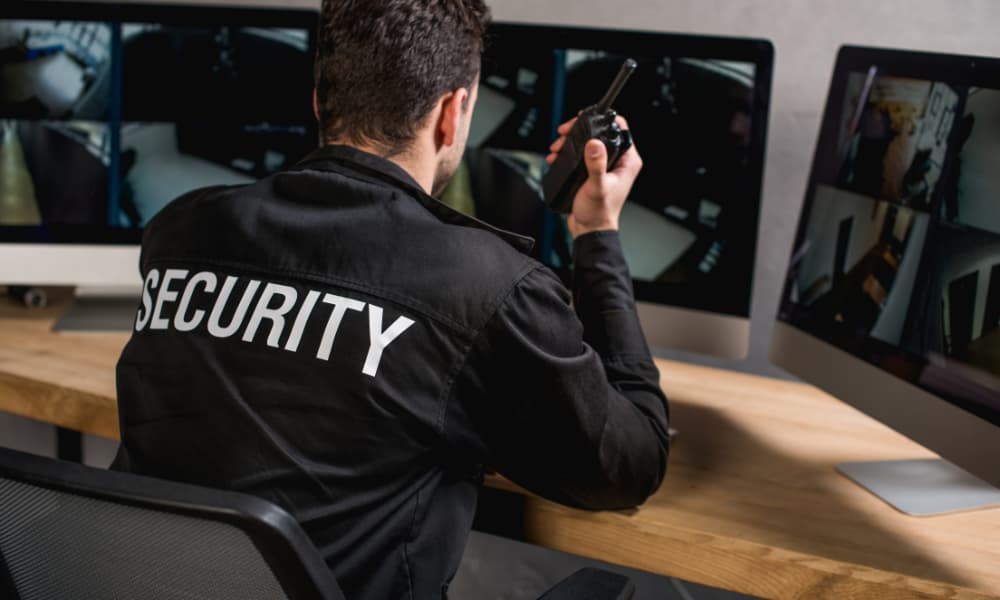
Replace fragmented surveillance systems with a modern video surveillance management system that improves control, reliability, access, and multi-site oversight.
Key takeaways
- Centralized management gives security and IT teams better visibility and control across locations
- Faster access to live and recorded video helps teams respond to incidents with fewer delays
- System-health monitoring helps identify recording, storage, and infrastructure issues earlier
- Role-based access gives the right users appropriate visibility without opening access too broadly
- A phased modernization plan can improve surveillance operations without replacing every camera at once
Having cameras across every site does not always mean you have a surveillance system that is easy to manage. The real test comes when you need to find footage quickly, confirm a camera is working, or give the right person access without wasting time.
Unfortunately, many organizations still rely on separate recorders, different interfaces, and site-by-site administration. As the system grows, those small differences turn into bigger problems as your teams spend more time switching between tools, checking systems, and tracking down information.
Besides, surveillance now plays a wider role in daily operations. Axis reported in 2025 that 42% of organizations use video to support operational efficiency, which shows that video is being used for more than basic recording.
That is why modernization matters. A modern video surveillance management system brings cameras, users, servers, storage, and locations into one place, making the system easier for you to manage, monitor, and rely on.
Keep reading to see the main benefits of modernizing an outdated surveillance system and how a modern VMS improves day-to-day security operations.
What Are the Key Benefits of Modernizing an Outdated Video Surveillance System?
Modernizing an outdated surveillance system gives you better control over how video is managed, accessed, and monitored across your organization. Instead of dealing with separate systems at every site, you can bring cameras, users, recordings, storage, and policies into one more consistent setup.
As a result, your teams can respond faster, spot system issues earlier, manage user access more carefully, and maintain stronger oversight across multiple locations. These improvements come from better management of the surveillance system itself, not simply from adding new cameras or advanced analytics.
Centralized Management Replaces Fragmented Surveillance Silos
Older surveillance systems often grow one site at a time. Over the years, you may end up with different recorders, passwords, software, naming conventions, and procedures at each location.
That may work for a while, but it becomes harder to manage as the number of cameras and sites grows. A modern VMS gives you one management layer for cameras, users, servers, sites, and policies, which makes day-to-day administration much simpler.
This can help you:
- Reduce repetitive site-by-site administration
- Standardize permissions, naming, configurations, and procedures
- Give security and IT teams better visibility across locations
- Keep management more consistent as new sites are added
In addition, centralized management makes it easier to maintain one clear way of working instead of creating another silo every time your surveillance system expands.
Faster Incident Response Starts With Faster Access to Video
Recording an incident is only useful if you can get to the footage when you need it. Unfortunately, older systems can slow you down when staff have to switch between interfaces, locate the right recorder, search several cameras, or travel to a site before retrieving video.
A modern VMS removes much of that friction by giving authorized users a more consistent way to reach live and recorded footage.
This can mean:
- Fewer logins and disconnected interfaces
- Faster access to live and recorded video
- Easier movement between cameras and locations
- Simpler evidence retrieval and sharing
- Less need for on-site intervention
AI-powered surveillance can add another layer of value by analyzing video in real time, identifying relevant events, and alerting teams to potential incidents sooner. F
Reliability and System Oversight Become Visible Instead of Assumed
A camera on the wall does not always mean useful video is being recorded. In fact, a NESA analysis found that about 30% of video surveillance footage is not properly recorded or stored.
Problems with storage, connectivity, servers, or individual cameras can go unnoticed until someone needs footage after an incident.
That is why system-health visibility matters. Instead of assuming everything is working, a modern surveillance platform gives you a clearer view of what is happening across the system.
You can monitor:
- Camera, recorder, server, and storage health
- Recording or infrastructure problems
- Retention and available storage
- Logs, alerts, and historical system information
- Redundancy and failover where needed
- Software updates and cybersecurity requirements
This gives your team a better chance of fixing problems early, before they turn into gaps in surveillance coverage.
Better User Access Supports Both Control and Multi-Site Operations
Video is often needed by more than the security team. IT, facilities, regional managers, and other authorized users may need access to certain cameras or locations as part of their work.
Yet older systems can make that difficult to control. Access may be too limited for people who need it, or too broad because there is no simple way to manage permissions properly.
A modern VMS can give you more control through:
- Role-based and location-based permissions
- Access based on team responsibilities
- Remote, browser, or mobile access where required
- Central oversight with local responsibility
- Easier expansion into new sites without creating another separate system
The goal is straightforward: give people access to the video they need without giving everyone access to everything.
Modernization Does Not Have to Mean Rip and Replace
One reason organizations delay surveillance modernization is the assumption that every camera has to be replaced. In many cases, that is not necessary.
Instead, you can start by looking at what still works, what is causing problems, and where management or infrastructure needs to improve. From there, the modernization plan can match your budget, priorities, and current equipment.
Depending on compatibility and operational needs, you may be able to:
- Keep useful existing cameras
- Replace equipment in phases
- Use on-premises, cloud, or hybrid systems
- Improve how existing and new technology work together
- Build a migration plan around business priorities
In other words, a surveillance refresh replaces equipment. A modernization program changes how you manage, access, maintain, and use the entire video system.
FAQs
1.What is a video management system?
A VMS is the software layer you use to manage cameras, recordings, users, storage, servers, and surveillance policies from one place.
2. How do you know when a video surveillance system is outdated?
Common signs include multiple interfaces, difficult evidence retrieval, poor visibility into recording health, inconsistent permissions, unsupported equipment, and growing multi-site complexity.
3. Does modernization require replacing every camera?
No. You can often keep compatible cameras and upgrade other parts of the system in phases.
4. Does a modern surveillance system have to be cloud-based?
No. You can use an on-premises, cloud, or hybrid approach depending on your security and operational needs.
5. What should you prioritize when planning surveillance modernization?
Focus on centralized management, interoperability, user access, system-health monitoring, cybersecurity, resilience, remote access, and a practical migration plan.
Start Your Surveillance Modernization Journey with Unisol
Modernization gives you a better way to manage security by improving access, reliability, and oversight across locations. After all, cameras capture the video, but the management system determines how easily your team can use and depend on it.
Unisol can help assess your current setup, identify gaps, and build a phased modernization plan around your security and operational needs.
Contact Unisol to start planning a more dependable video surveillance management system.
